• 27Sep

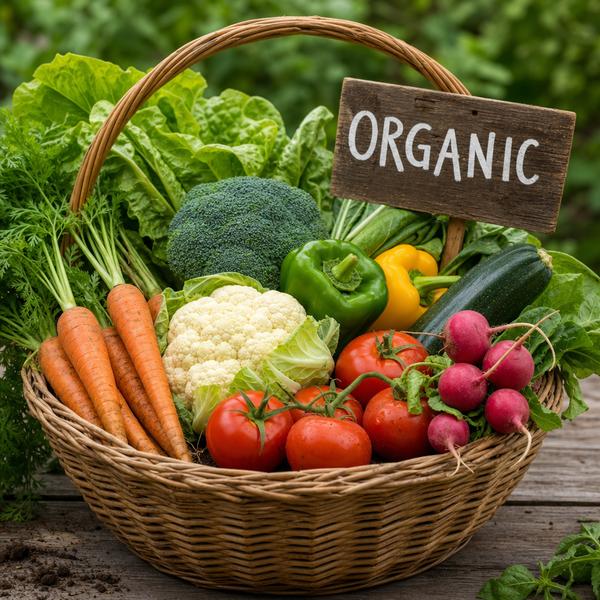
    Organic farming or gardening is the practice of growing plants and raising livestock in a natural way. This process involves using organic materials and agricultural methodology that promotes ecological balance, maintains soil fertility, and conserves biodiversity.

    Benefits of Organic Farming:

    1. Enhances Soil Health: Organic farming employs techniques like composting, crop rotation and mulching to improve soil structure and fertility. This helps in maintaining a healthy ecosystem, enhances the soil’s ability to retain water and reduces soil erosion.

    2. Improves Biodiversity: Organic farming supports a variety of crops and livestock, promoting a balanced ecosystem. It encourages the growth of indigenous vegetation and ensures the survival of various animal species.

    3. Reduces Chemical Usage: Organic farming employs natural methods to control pests, diseases, and weeds, reducing the dependency on harmful chemicals and pesticides. This keeps the food and environment safe from chemical contamination.

    4. Healthy produce: Organic crops do not have any residues of harmful pesticides or synthetic chemicals, making them healthier to consume.

    5. Sustainability: Organic farming practices are sustainable and eco-friendly. They can help mitigate climate change by reducing carbon emissions and increasing soil carbon sequestration.

    6. Cost Efficiency: By reducing the reliance on synthetic fertilizers and pesticides, organic farming can reduce costs in the long run.

    Process of Transitioning Into Organic Farming:

    1. Planning: Evaluate the current state of the farmland. Identify the potential issues and understand what needs to be changed. The planning phase mainly includes choosing suitable crops, considering crop rotation, deciding the method of composting, etc.

    2. Soil Improvement: Transitioning into organic farming starts with soil improvement. Introduce compost, green manure, bone meal and other organic materials into the soil to improve its fertility.

    3. Pest and Weed Control: Implement natural pest control methods like intercropping, using insect-repelling plants, traps, etc. Use mulching and manual weeding for weed control.

    4. Crop Rotation: Implementing crop rotation is important to prevent nutrient depletion in the soil and reduce the risk of pests and diseases.

    5. Livestock Integration: If possible, integrating livestock into the farming system can help as their waste can serve as a nutrient-rich natural fertilizer.

    6. Certification: While not mandatory, getting organic certification can authenticate your practices and establish trust with consumers. The certification process includes inspection of farm fields and processing areas, detailed record-keeping, and periodic testing of soil and water to ensure that a farmer meets the set standards.

    The transition to organic farming requires time, commitment and patience. In the initial stages, crop yield might decrease due to the soil’s adjustment period, but over time, the yield can improve, and the benefits will certainly outweigh the initial challenges. It not only provides a healthier alternative but, over time, can prove to be economically beneficial.
    Permalink Filed under: Organic Comments Off on The Advantages of Turning Organic
  • 07Jun

    Organic gardening requires a lot of patience and talent. It is a good way to grow healthy fresh foods in an environmentally friendly, chemical-free way. It might sound easy, but is it? If you want to have the most professional gardening skills you can, read the tips in this article.

    Include your kids in growing an organic garden. Gardens are a wonderful place for kids to learn, and working side by side with them can strengthen the bond that you have.

    If you have plants inside, make sure the thermostat stays between 65 and 75 degrees. In order to encourage proper growth, they will need that warmth. If you don’t want you house to be really warm during the cold season, you could use a heat lamp on organic plants instead.

    Have some plastic bags on hand that you can put over your gardening shoes if they are muddy. This helps you stay in the zone so that you can continue gardening when you have completed your tasks in the house.

    The space you leave in between your plants is an important measurement when it comes to gardening. It’s common to not think about how much space a plant will need once it’s full grown, and you don’t want to crowd your garden. The plants need space due to sheer size and also for air circulation. Plot out all of these considerations before putting that first seed in the ground.

    Use equal parts of green and dried plant material in your compost pile. When you pull weeds from your garden, throw them in the compost. The same goes for vegetable trimmings and grass clippings. These are considered green materials. Dried plant matter, on the other hand, includes shredded paper, used wood chips and straw. Never use ashes, meat, charcoal, diseased plants or carnivorous animal manure in your compost pile.

    If you are starting your seedlings out in small containers, you should use a layer of potting soil that is three times as deep as the size of a single seed. But, is important to realize the some seeds ought not be covered, as they need complete exposure to sun. Example of these kinds of seeds include the petunia and the ageratum. If you are unsure if your seeds should be covered, refer to the seed packet, or if that is not available, look for information online.

    An organic gardener enjoys the benefits of working with nature, producing wonderful food through hard work and patience. This wonderful past time uses land to produce delicious foods for your table. By using these tips and giving some effort, you can be a skilled organic gardener.

    Permalink Filed under: Organic Comments Off on Excellent Advice For The Beginning Organic Gardener
  • 07Jun

    More and more people are realizing the wonders of organic gardening. Just using the tips here will show you how you can get started now with an organic garden. Keep reading to learn some tricks of the trade that will help you get a great garden.

    Using aspirin water will help your plants fight diseases. Dissolve one and one-half aspirins into two gallons of cold water, and use it to fortify your plants. Spray your plants with the water if they have a disease. The spray ought to be applied approximately every three weeks.

    To keep your houseplants happy during the day, your thermostat should be set anywhere between 65 and 75 degrees. Plants need to be in an environment that is neither too warm nor too cool for them to grow. If you do not want to keep your home that warm during the winter months, you can get a heat lamp for the organic plants instead.

    Keep your gardening tools close by to maximize gardening efficiency. Carry a large bucket with you or wear pants with a lot of pockets. A gardener’s tool belt will allow you to keep your gardening gloves and other tools close by while you are working in your garden.

    Once your seeds have germinated they will not need to be kept as warm as before. Move your plants further away from your heat source as they grow. You can now take off any protective coverings on your plants that were there to shield them from the elements. Keep an eye on your seeds so you will know when this should be done.

    Make the most of the time spent in your garden. You do not have the time to spend an hour looking for each tool you need. Prepare your equipment before you go into the garden and put everything away afterwards. Get a tool belt if you need to, or a pair of pants with a lot of pockets.

    Have plastic bags on hand to put over dirty gardening shoes. This way, you won’t break momentum by fussing with your shoes, and you’ll be quickly back in the garden to finish your work.

    You just have to be patient if you want to get your organic garden into tip top shape. Following the suggestions outlined above should help you get your organic garden off the ground more effectively. Just remember to apply these tips as you have read them and your garden should do just fine.

    Permalink Filed under: Organic Comments Off on Handy Advice For Gardening The Organic Way