
• 21Oct

    Urban gardening has undergone a significant transformation in recent years, evolving from a simple hobby to a vital part of urban living and city infrastructure. This transition has been heightened due to a growing focus on sustainability, health, and community engagement. Here are a few key trends in urban gardening and how they’re transforming cities:

    1. Vertical Gardening: Limited space in urban areas has given birth to the concept of vertical gardens or living walls. These gardens grow upwards using structures or wall surfaces. Not only do they maximize space, but they also can serve as insulation and help reduce the urban heat island effect.

    2. Rooftop Gardening: Using otherwise wasted roof space, these gardens provide a great source of fresh produce, help reduce heat in buildings and improve air quality. In some places, rooftop gardening has also become a communal activity, fostering social connection within the community.

    3. Hydroponic Systems: A trend growing in popularity is the use of hydroponic systems—growing plants in water instead of soil. This method reduces water usage by up to 90% compared to traditional gardening, making it an eco-friendly choice.

    4. Community Gardens: Encouraging urban dwellers to cultivate and maintain garden plots in shared spaces has been a rising trend in recent years. Community gardens not only bring fresh produce but also encourage social cohesion, provide therapeutic benefits, and promote environmental stewardship.

    5. Edible Landscaping: This trend involves growing food-producing plants in decorative ways as part of the landscape to combine the benefits of a beautiful city and local food production.

    6. Urban Beekeeping: With the number of bees declining worldwide, urban beekeeping helps maintain the equilibrium. Beehives can be on rooftops or backyards, and they contribute to pollination and local honey production.

    7. Urban Gardening Tech innovations: With the rise of technology, mobile apps, and internet of things (IoT) integration in urban gardening have become a big trend. Users can control their garden’s light, temperature, and water supply from a mobile app. Drones are also used to monitor large urban farms.

    These trends offer cities many benefits, including improved air quality, increased biodiversity, a fresher and local food supply, improved mental health, and the creation of community spaces. By implementing these trends, urban areas can reduce their carbon footprints, create greener spaces, and provide healthier lifestyles for their inhabitants.
    Permalink Filed under: General Comments Off on Latest Trends in Urban Gardening
  • 19Sep

    Title: Comprehensive Guide for Gardening Beginners

    1. **Understand Your Space**:
    The first thing to understand is that not all plants need the same amount of sunlight and space. Some plants need a lot of sun, others can survive in shadow. Some plants grow big, others stay small. Assess and understand your available gardening space in terms of sunlight exposure, wind exposure, and size.

    2. **Identify Your Soil**:
    Soil is another significant factor that will determine which plants can thrive in your garden. Different plants need different soil types. Take a soil test to identify its type and nutrient content.

    3. **Choose Your Plants**:
    Choose plants based on your space, soil, and climate. It’s also important to consider your lifestyle. If you can’t dedicate a lot of time, consider low-maintenance plants.

    4. **Tools and Equipment**:
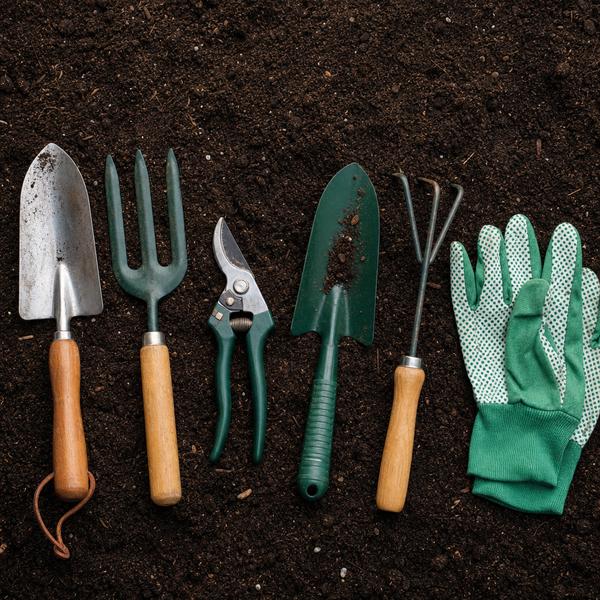
    Invest in quality gardening tools. Essential gardening tools include a trowel, pruners, shears, garden forks, and watering cans.

    5. **Gardening Techniques**:
    Understand basic gardening techniques such as planting seeds or seedlings, transplanting plants, and maintaining the garden (watering, weeding, mulching, etc).

    6. **Planting Time**:
    Once you have your plants and tools, it’s time to plant. Spring is generally a good time to plant most vegetables and flowers, but it depends on the plant and the climate where you live (check plant labels for guidance).

    7. **Watering and Feeding**:
    Most plants need regular watering. Some plants need more water, others less. The soil should be kept moist but not waterlogged. Use a water-soluble all-purpose plant food to ensure your plants get necessary nutrients.

    8. **Watching for Pests and Diseases**:
    Check your plants regularly for signs of pests and diseases. The sooner you spot a problem, the sooner you can handle it.

    9. **Pruning**:
    Pruning promotes healthier plants. Cut off dead or overgrown branches and leaves. Make sure to prune at the right time. Most plants are pruned in the spring.

    10. **Patience**:
    Gardening involves a lot of trial and error, and patience. Don’t be discouraged if a plant dies. Learn from your mistakes and adjust your planting strategy accordingly.

    Remember, gardening is a journey, not a destination. Enjoy the process and be rewarded by beautiful blossoms or delicious fruits and vegetables.

    Happy gardening!

    Permalink Filed under: General Comments Off on Gardening 101: Basic Guide for Beginners
  • 09Jun

    Permalink Filed under: General Comments Off on Container Gardening Vegetables for Beginners
  • 07Jun

    There are numerous resources you can use to find information and advice on how to properly grow a garden. You could spend days on the Internet alone researching information that is pertinent to your particular garden. Find practical solutions by applying the innovative tips from the following article. You can read them right here!

    Plant annuals and biennials to make your flower beds brighter. Fast growing biennials and annuals will brighten a garden and permit you to change looks from one season to another. They are useful for filling gaps in between shrubs and perennials in sunny areas. Some examples include sunflowers, marigolds, petunias, hollyhocks, cosmos, and rudbeckia.

    Use the correct type of soil for best results. Fertilizer can enrich the soil to make it more viable. It is also possible to set aside a portion of your garden to include just one type of soil.

    Before actually putting plants into your garden, check the type and compostion of your soil. Pay a small fee to have your soil analyzed, and you’ll be glad that you did when you understand what nutrients your soil is lacking. Many Cooperative Extension offices will provide this service, and it is well worth knowing exactly what the soil needs to avoid ruining a crop or two.

    While working in your garden during the fall season, watch out for those stink bugs! Fruits, peppers and tomatoes are among the foods they love to eat. If not taken care of, these pests can damage the garden, so take steps to cut down their population.

    Gardening is a gratifying activity. As you develop your passion for your garden, you will find yourself seeking out articles and tips about improving your results. Always remember to listen to great advice. Start by applying the tips laid out here, and you will have the most beautiful garden you’ve ever seen.

    Permalink Filed under: General Comments Off on Grow Organic Produce For Your Family With These Tips
  • 07Jun

    Gardening can be a challenging idea to grasp. Some people may not believe it’s possible to convert a concrete or gravel patch into a green, manicured lawn or a floral collection of roses and snapdragons, but it is possible. Hard work, a shovel, and the right knowledge, are all the necessary tools to fine gardening. Truly successful gardens are the ones that are best thought out by thoughtful landscapers.

    A good idea when gardening is to keep a record of progress. If it is a journal form or photographic form of recording the progress of the garden is helpful for the years to come. Recording which types of plants work well, which did not work or what types of soil can help future gardens start without any trial and error of previous years.

    Weed the garden often and early. Plan on a weeding schedule for the garden at least three times. The first should be five to seven days after sowing, and again seven to ten days after that. The third time should be three to four weeks after planting, by this time the plants should be rooted well enough to add mulching and sufficient leaves to shade the surface.

    When gardening, be sure to use proper posture. Don’t lift with your back, and try to bend at the knees instead of at the waist. Keep your back straight when bending over. This allows you to use stronger and more flexible muscle groups to lift, and also protects your spine.

    Gardening is more about effort than anything else. Dedication to a garden, from its caretaker, will help it bloom to its fullest potential. The right way to grow a garden is by learning the correct way to go about caretaking for one. It is easier to maintain a garden than you think.

    Permalink Filed under: General Comments Off on Want Some Great Gardening Advice? Read On