
• 21Oct

    Urban gardening has undergone a significant transformation in recent years, evolving from a simple hobby to a vital part of urban living and city infrastructure. This transition has been heightened due to a growing focus on sustainability, health, and community engagement. Here are a few key trends in urban gardening and how they’re transforming cities:

    1. Vertical Gardening: Limited space in urban areas has given birth to the concept of vertical gardens or living walls. These gardens grow upwards using structures or wall surfaces. Not only do they maximize space, but they also can serve as insulation and help reduce the urban heat island effect.

    2. Rooftop Gardening: Using otherwise wasted roof space, these gardens provide a great source of fresh produce, help reduce heat in buildings and improve air quality. In some places, rooftop gardening has also become a communal activity, fostering social connection within the community.

    3. Hydroponic Systems: A trend growing in popularity is the use of hydroponic systems—growing plants in water instead of soil. This method reduces water usage by up to 90% compared to traditional gardening, making it an eco-friendly choice.

    4. Community Gardens: Encouraging urban dwellers to cultivate and maintain garden plots in shared spaces has been a rising trend in recent years. Community gardens not only bring fresh produce but also encourage social cohesion, provide therapeutic benefits, and promote environmental stewardship.

    5. Edible Landscaping: This trend involves growing food-producing plants in decorative ways as part of the landscape to combine the benefits of a beautiful city and local food production.

    6. Urban Beekeeping: With the number of bees declining worldwide, urban beekeeping helps maintain the equilibrium. Beehives can be on rooftops or backyards, and they contribute to pollination and local honey production.

    7. Urban Gardening Tech innovations: With the rise of technology, mobile apps, and internet of things (IoT) integration in urban gardening have become a big trend. Users can control their garden’s light, temperature, and water supply from a mobile app. Drones are also used to monitor large urban farms.

    These trends offer cities many benefits, including improved air quality, increased biodiversity, a fresher and local food supply, improved mental health, and the creation of community spaces. By implementing these trends, urban areas can reduce their carbon footprints, create greener spaces, and provide healthier lifestyles for their inhabitants.

    Permalink Filed under: General Comments Off on Latest Trends in Urban Gardening
  • 17Oct

    The N-P-K ratio on fertilizer packages refers to the levels of key nutrients that are vital for plant growth: nitrogen (N), phosphorus (P), and potassium (K).
    1. Nitrogen (N): Nitrogen promotes healthy leaf and stem growth and is vital for the production of chlorophyll, which plants use to convert sunlight into food in a process called photosynthesis. A deficiency in nitrogen can result in stunted growth and yellowing leaves.

    2. Phosphorus (P): Phosphorus encourages root growth and plays a key role in fruit and flower production and overall plant maturity. A deficiency in phosphorus can result in a plant with weak or underdeveloped roots and delayed fruit and flower growth.

    3. Potassium (K): Also known as potash, potassium helps plants resist diseases and stand up to stress like extreme temperatures and pest damage. It also regulates the overall functioning of the plant and activates necessary enzymes. Without enough potassium, plants may have weak stalks and underdeveloped roots, struggle to produce flowers and fruit, and be more prone to disease.

    The N-P-K ratio is expressed as three numbers (e.g., 10-10-10, 5-10-5, or 20-5-15), representing the percentage by weight of these three nutrients within the fertilizer mix. For example, a 10-10-10 fertilizer would be 10% nitrogen, 10% phosphorus, and 10% potassium.

    The correct N-P-K ratio to choose depends on what you want your plants to do. If you want leafy growth, you’d choose a fertilizer with a higher nitrogen number (the first number). For better root or fruit growth, you’d go for a fertilizer with a higher phosphorus number (the middle number). And for overall plant resistance, a high potassium fertilizer (the last number) would be the choice.

    Monitoring and adjusting N-P-K levels through proper fertilization techniques is important for maintaining plant health and achieving gardening goals, whether that means bigger yields, more flowers, or just healthier plants overall.

    Permalink Filed under: Fertilizing Comments Off on Understanding the N-P-K Ratio in Fertilizers
  • 13Oct

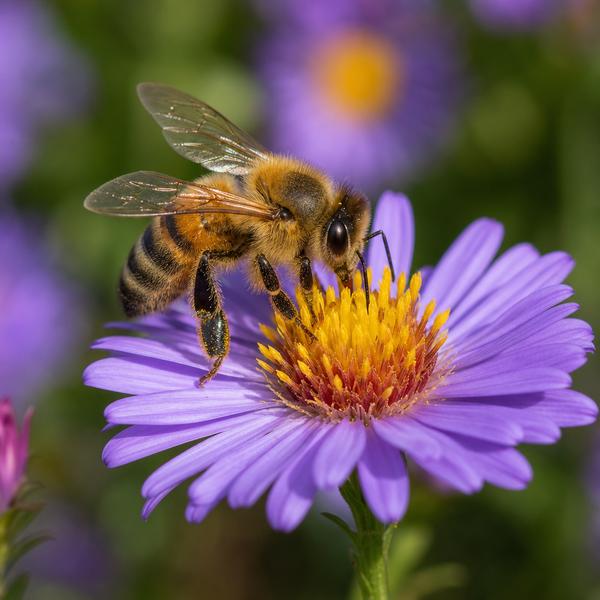
    Insects play an essential role in pollination, which is a fundamental process for the reproduction of most flowering plants and crops. This means that many of the foods we eat – fruits, vegetables, nuts, spices, honey, chocolate, coffee – are available because of pollinating insects.
    During the process of foraging for food, insects like bees, butterflies, beetles, and moths transport pollen from the male parts of a flower to the female parts. This effectively fertilizes the plant and enables it to produce seeds and fruits.

    The key role of insects in pollination contributes to the richness and diversity of our ecosystems. Many plants rely on these insects for successful reproduction. Thus, insects help to support healthy populations of plants, which in turn provide food, shelter, and other resources for a wide range of other species, ultimately leading to greater biodiversity.

    If insect pollinators were to disappear, the ecological balance could be upset, potentially leading to declines in plant populations, extinctions, and a decrease in ecosystem resilience overall. Current threats to pollinators like habitat loss, pesticide use, climate change and disease are posing serious challenges to the sustainability of our ecosystems. Therefore, it’s crucial to maintain healthy insect populations for the robust functioning of both natural ecosystems and agricultural systems.

    Permalink Filed under: Bugs and Insects Comments Off on The Role of Insects in Pollination
  • 09Oct

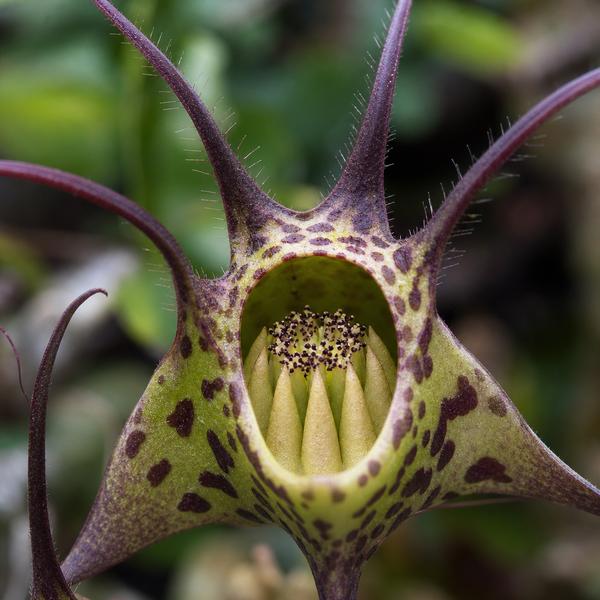
    1. Titan Arum (Indonesia): Titan Arum or the Corpse Flower is one of the world’s largest and rarest flowering structures. Known for the pungent smell it emits – similar to a decomposing mammal – the flower attracts carrion-eating beetles and flesh flies that pollinate it.
    2. Rafflesia Arnoldii (Indonesia): Known as the “corpse flower” as well, Rafflesia Arnoldii is famous for producing the largest individual flower in the world. It emits a foul odor, similar to that of rotting meat, to attract insects for pollination.

    3. Hydnora Africana (Southern Africa): An unusual plant that grows almost entirely underground, Hydnora Africana is a parasite that attaches itself to the roots of other plants. It’s famous for its flower that resembles a sea creature and emits a smell of dung to attract beetle pollinators.

    4. Amorphophallus (Worldwide): Commonly called Voodoo Lily, this plant produces a single, gigantic leaf, which provides energy for the large inflorescence the next season. The flower structure can be pretty weird too, with a tall spadix enclosed by a spathe- a large, showy, modified leaf.

    5. Victoria Amazonica (Amazon River Basin): As the largest water lily in the world, the Victoria Amazonica has leaves that can reach up to three meters in diameter, strong enough to support the weight of a small child. Its flowers are white the first night they open and become pink the next day.

    6. Dragon Blood Tree (Yemen): Found exclusively in Socotra, Yemen, this ancient and unusual tree gets its name because it has red sap, which looks like the blood of a dragon. Its upturned canopy provides shade and reduces evaporation, which is valuable in the desert environment.

    7. Welwitschia (Namibia): This plant found in the arid regions of Namibia is a wonder of adaptation. With only two leaves, a stem base, and roots, it can survive for a thousand years or more.

    8. Wollemi Pine (Australia): Often referred to as a “living fossil,” its wild population was discovered only in 1994, hidden in a temperate rainforest wilderness area of the Wollemi National Park in New South Wales, Australia.

    9. Ghost Plant (Mexico): Scientifically known as Monotropa Uniflora, the ghost plant lacks chlorophyll, hence, is unable to photosynthesize. It appears translucent white and survives by feeding on fungi that draw nutrients from trees.

    10. Strangler Fig (Tropical Forests): This plant begins life as a tiny seedling, high on the branches of another tree, and sends roots down toward the ground. Over time, these roots envelop the host tree, strangling it in the process.

    Permalink Filed under: Uncategorized Comments Off on Unusual Plants You Never Knew Existed
  • 05Oct

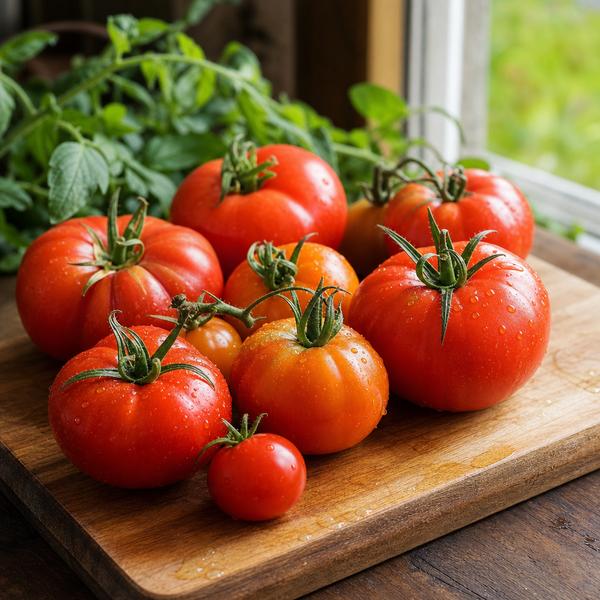
    1. Tomato, Basil, and Mozzarella Salad:
    Ingredients – 4 large ripe tomatoes, 1 bunch fresh basil, 250g Mozzarella cheese, olive oil, balsamic vinegar, salt, pepper.
    Preparation: Slice the tomatoes and mozzarella, and layer them alternately on a plate. Sprinkle finely chopped basil leaves on top. Drizzle with olive oil, balm vinegar, and season with salt and pepper.

    2. Stir-Fried Vegetable Medley:
    Ingredients – 2 bell peppers, 1 zucchini, 2 carrots, 1 onion, 4 cloves garlic, soy sauce, olive oil.
    Preparation: Slice all the vegetables thinly. Heat olive oil in a pan. Add garlic till it browns. Add the onions and stir until they soften. After this, add the rest of the vegetables and stir-fry until they are cooked. Drizzle with soy sauce and serve hot.

    3. Beetroot and Feta Cheese Salad:
    Ingredients – 4 beetroot, 250g feta cheese, bunch of fresh mint leaves, olive oil, vinegar.
    Preparation: Cook the beetroot in boiling water and then let it cool. Once cool, chop it up into small pieces. Toss these in olive oil and vinegar. After this, add crumbled feta cheese and fresh mint.

    4. Fresh Pesto Pasta:
    Ingredients – 2 cups fresh basil leaves, 2 cloves garlic, 1/2 cup grated Parmesan cheese, 1/2 cup olive oil, salt and pepper, 500g pasta.
    Preparation: Blend basil, garlic, cheese, salt, and pepper in a food processor slowly adding olive oil. Cook pasta as per instructions, drain and mix with pesto sauce.

    5. Grilled eggplant with Tzatziki:
    Ingredients – 2 large eggplants, olive oil, salt and pepper.
    For Tzatziki: 1 cup Greek yogurt, 1 cucumber, 2 cloves garlic, 1 tsp lemon juice, 1 tsp mint leaves.
    Preparation: Slice the eggplants and grill them for about 4 minutes on each side, seasoning with salt, pepper and olive oil. For tzatziki, grate the cucumber and squeeze to remove excess water. Blend with yogurt, garlic, lemon juice, mint leaves, and salt. Serve the grilled eggplants with tzatziki on the side.

    6. Simple Radish Salad:
    Ingredients – 2 bunch of radishes, 2 tbsp olive oil, 1 tbsp lemon juice, 2 tsp honey, salt and pepper.
    Preparation: Slice radishes thinly and mix them with olive oil, lemon juice, honey, salt and pepper.

    Remember, using fresh, homegrown produce will always make your dishes taste better! Enjoy.

    Permalink Filed under: Recipes Comments Off on From Garden to Kitchen: Easy Recipes for Your Harvest
  • 01Oct

    1. Choosing Seeds: Choosing the right seeds or plants for your garden is the first step in planting. Make sure to choose plants that thrive in your local climate and soil conditions. Pay attention to factors like sunlight exposure, temperature, and average rainfall, as these conditions differ across various plants.

    2. Choosing the Right Location: Identify the right area in your garden for planting. Some plants need more sunlight, and others can thrive in the shade. It’s essential to find a suitable location that best fits the needs of the plants you choose.

    3. Preparing the Soil: Good soil is crucial for plant growth. You may need to enrich the soil with compost to ensure it has the right nutrients for your plants. Also, break the soil in the planting area with a tiller or hand tool to make it loose, as tightly packed soil makes it difficult for roots to spread.

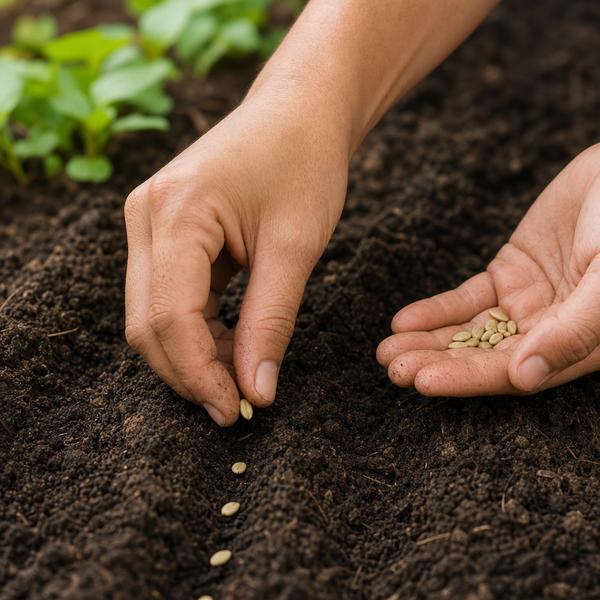
    4. Planting the Seeds: Each seed or plant will have specific planting instructions to follow when it is time to plant. Some seeds have to be sown directly into the ground, while others need to start in small containers. The package of your seeds or the label on your plant should give you this information.

    5. Watering: Watering is vital in the initial stages of plant growth. Usually, plants need to be watered just after planting. The frequency of watering depends on the type of plant and the climate, but the soil should remain moist, not soggy.

    6. Mulching: Mulch helps to regulate soil temperature and retains moisture and combats the growth of weeds. Organic mulch, like wood chips or straw, also adds nutrients to the soil as it breaks down.

    7. Pruning & Maintenance: Regularly remove dead leaves, flowers, or limbs to keep your plants healthy and to promote growth. As your plants grow, they may need additional support in the form of stakes or trellises.

    8. Pest Control: Keep an eye out for pests that might damage your plants. Depending on the pest and the extent of infestation, you might need to use a pesticide, introduce natural predators, or manually remove them.

    9. Fertilizing: Over time, plants can deplete the nutrients in the soil. So, consider adding fertilizer to ensure they have all the nutrients they need.

    10. Finishing touches: Garden decorations, like stepping stones, decorative pots, or personalized plant markers, add personality to your garden and make it uniquely yours.

    Remember, gardening requires patience and consistency. Different plants grow at different rates and may need different care. Over time, with experience, you’ll develop a green thumb and a garden that reflects your hard work and care.

    Permalink Filed under: Planting Comments Off on Planting for Success: A Comprehensive Guide