• 27Sep

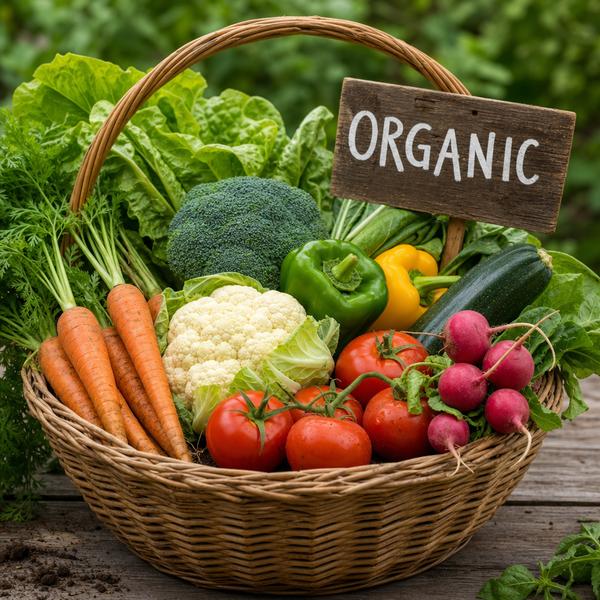
    Organic farming or gardening is the practice of growing plants and raising livestock in a natural way. This process involves using organic materials and agricultural methodology that promotes ecological balance, maintains soil fertility, and conserves biodiversity.

    Benefits of Organic Farming:

    1. Enhances Soil Health: Organic farming employs techniques like composting, crop rotation and mulching to improve soil structure and fertility. This helps in maintaining a healthy ecosystem, enhances the soil’s ability to retain water and reduces soil erosion.

    2. Improves Biodiversity: Organic farming supports a variety of crops and livestock, promoting a balanced ecosystem. It encourages the growth of indigenous vegetation and ensures the survival of various animal species.

    3. Reduces Chemical Usage: Organic farming employs natural methods to control pests, diseases, and weeds, reducing the dependency on harmful chemicals and pesticides. This keeps the food and environment safe from chemical contamination.

    4. Healthy produce: Organic crops do not have any residues of harmful pesticides or synthetic chemicals, making them healthier to consume.

    5. Sustainability: Organic farming practices are sustainable and eco-friendly. They can help mitigate climate change by reducing carbon emissions and increasing soil carbon sequestration.

    6. Cost Efficiency: By reducing the reliance on synthetic fertilizers and pesticides, organic farming can reduce costs in the long run.

    Process of Transitioning Into Organic Farming:

    1. Planning: Evaluate the current state of the farmland. Identify the potential issues and understand what needs to be changed. The planning phase mainly includes choosing suitable crops, considering crop rotation, deciding the method of composting, etc.

    2. Soil Improvement: Transitioning into organic farming starts with soil improvement. Introduce compost, green manure, bone meal and other organic materials into the soil to improve its fertility.

    3. Pest and Weed Control: Implement natural pest control methods like intercropping, using insect-repelling plants, traps, etc. Use mulching and manual weeding for weed control.

    4. Crop Rotation: Implementing crop rotation is important to prevent nutrient depletion in the soil and reduce the risk of pests and diseases.

    5. Livestock Integration: If possible, integrating livestock into the farming system can help as their waste can serve as a nutrient-rich natural fertilizer.

    6. Certification: While not mandatory, getting organic certification can authenticate your practices and establish trust with consumers. The certification process includes inspection of farm fields and processing areas, detailed record-keeping, and periodic testing of soil and water to ensure that a farmer meets the set standards.

    The transition to organic farming requires time, commitment and patience. In the initial stages, crop yield might decrease due to the soil’s adjustment period, but over time, the yield can improve, and the benefits will certainly outweigh the initial challenges. It not only provides a healthier alternative but, over time, can prove to be economically beneficial.
    Permalink Filed under: Organic Comments Off on The Advantages of Turning Organic
  • 23Sep

    Harvesting crops effectively requires careful planning and execution. There are several factors that must be taken into consideration such as the type of crop, the state of the crop, weather conditions, and the equipment used.
    1. Type of Crop: The type of crop greatly affects the harvesting process. Each type of crop has a specific harvest time and method. For instance, fruits are generally harvested manually once they have reached their appropriate color and size, whereas grain crops such as wheat or rice are harvested with the use of machines when they are dry.

    2. Crop Maturity: Recognizing when crops are mature is crucial. In most cases, mature crops have a different color, shape, or feel than immature crops. An inspection of the crops should be done regularly to determine the right time for harvesting.

    3. Weather: Weather conditions are another important factor when it comes to effective harvesting. Dry weather is usually preferable as wet conditions can affect the quality of the harvest and may make the harvesting process more difficult.

    4. Equipment: The type of equipment used should be selected based on the type of crop being harvested. Manual tools such as harvesting knifes, sickles, and hand-held cutters can be used for smaller scale or specific types of crops. For larger scale or more general crops, machines like harvesters or combines could be more suitable.

    5. Technique: The technique used to harvest crops can greatly affect their quality. For instance, for root crops like carrots or potatoes, it’s important to avoid damage to the crop during harvesting. Using the appropriate tool and method can reduce the risk of damage.

    6. Post-Harvest Handling: After harvesting, crops should be handled with care to maintain their quality. Ideally, harvested crops should be quickly moved to a shaded area before they are cleaned, sorted, and packed.

    7. Storage: After sorting and packing, harvested crops should be stored in appropriate conditions to maintain freshness and prevent spoilage. This includes monitoring temperature, humidity and managing pest control.

    Remember that the proper time and technique of harvest will vary depending on the type of crop. Therefore, it is crucial to gain as much knowledge and understanding about the crop being grown to ensure an efficient and effective harvest.

    Permalink Filed under: Harvesting Comments Off on Unlocking the Secrets of Successful Harvesting
  • 19Sep

    Title: Comprehensive Guide for Gardening Beginners
    1. **Understand Your Space**:
    The first thing to understand is that not all plants need the same amount of sunlight and space. Some plants need a lot of sun, others can survive in shadow. Some plants grow big, others stay small. Assess and understand your available gardening space in terms of sunlight exposure, wind exposure, and size.

    2. **Identify Your Soil**:
    Soil is another significant factor that will determine which plants can thrive in your garden. Different plants need different soil types. Take a soil test to identify its type and nutrient content.

    3. **Choose Your Plants**:
    Choose plants based on your space, soil, and climate. It’s also important to consider your lifestyle. If you can’t dedicate a lot of time, consider low-maintenance plants.

    4. **Tools and Equipment**:
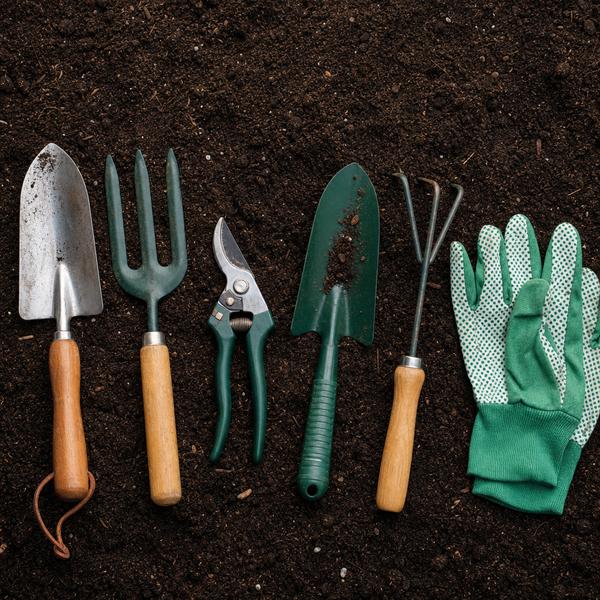
    Invest in quality gardening tools. Essential gardening tools include a trowel, pruners, shears, garden forks, and watering cans.

    5. **Gardening Techniques**:
    Understand basic gardening techniques such as planting seeds or seedlings, transplanting plants, and maintaining the garden (watering, weeding, mulching, etc).

    6. **Planting Time**:
    Once you have your plants and tools, it’s time to plant. Spring is generally a good time to plant most vegetables and flowers, but it depends on the plant and the climate where you live (check plant labels for guidance).

    7. **Watering and Feeding**:
    Most plants need regular watering. Some plants need more water, others less. The soil should be kept moist but not waterlogged. Use a water-soluble all-purpose plant food to ensure your plants get necessary nutrients.

    8. **Watching for Pests and Diseases**:
    Check your plants regularly for signs of pests and diseases. The sooner you spot a problem, the sooner you can handle it.

    9. **Pruning**:
    Pruning promotes healthier plants. Cut off dead or overgrown branches and leaves. Make sure to prune at the right time. Most plants are pruned in the spring.

    10. **Patience**:
    Gardening involves a lot of trial and error, and patience. Don’t be discouraged if a plant dies. Learn from your mistakes and adjust your planting strategy accordingly.

    Remember, gardening is a journey, not a destination. Enjoy the process and be rewarded by beautiful blossoms or delicious fruits and vegetables.

    Happy gardening!

    Permalink Filed under: General Comments Off on Gardening 101: Basic Guide for Beginners
  • 15Sep

    Best Practices:

    1. Soil Testing: Before you begin to fertilize your garden, it’s important to test your soil to determine its nutrient levels and pH balance. This information can help you choose the right fertilizer and understand how much to use.

    2. Choosing the Right Fertilizer: Different plants require different nutrients, so make sure to choose a fertilizer that matches your garden’s specific needs. If in doubt, consult with a gardening expert or do some research online.

    3. Correct Timing: The best time to fertilize is at the beginning of the growing season, when plants can make the most of added nutrients.

    4. Careful Application: Apply fertilizer evenly over the soil to avoid nutrient hot spots which can burn your plants.

    5. Follow Directions: Always follow the instructions on the fertilizer package for application rates and methods. More is not always better.

    Common Mistakes:

    1. Over-fertilizing: This is a common mistake most gardeners make. Over-fertilization can lead to excessive growth and decreased fruit or flower production. It can even cause harm to your plants as it results in salt build up in the soil.

    2. Incorrect Fertilizer: Using the wrong type of fertilizer can cause nutrient imbalances and toxicity.

    3. Fertilizing at the Wrong Time: Fertilizing at the end of the growing season can stimulate new growth that will be killed off in winter.

    4. Not Watering After Application: After applying fertilizer, it’s crucial to water your garden so that the nutrients can be properly absorbed into the soil.

    5. Using Fresh Manure: Fresh manure can burn plants and also contain pathogens. Always use well-composted manure.

    Permalink Filed under: Fertilizing Comments Off on The Ultimate Guide to Fertilizing Your Garden
  • 11Sep

    Insects are remarkable creatures that play a vital role in our ecosystem. Contrary to the common perception of them as pests, insects are vital for the balance of Nature. From pollinating our crops to breaking down dead organic matter, insects play roles that largely go unnoticed despite their significant impact.

    The fascinating life of insects begins when they emerge from eggs, many undergoing a remarkable transformation known as Metamorphosis. A butterfly, for instance, evolves from an egg, to a caterpillar, then a pupa, and finally a butterfly. This amazing process is just one of the many wonders of insect life.

    Arguably, the most significant role insects play in our ecosystem is that of pollination. Bees, butterflies, moths, beetles, and flies are among the insects that contribute to pollination, assisting in the fertilization of plants by transferring pollen from male to female flower parts. Without them, we would face a significant reduction in the amount of fruits, vegetables, and nuts available for human consumption, leading to a serious imbalance in our food chain.

    Many insects also contribute as natural recyclers. Decomposers like beetles, ants, flies and wasps break down organic matter such as dead plants, animals, and animal waste, and convert this matter into essential nutrients that enrich the soil. Without these little creatures, waste would accumulate in the environment, causing significant issues for other species and the ecosystem at large.

    Insects are also a vital part of the food chain, serving as a primary food source for numerous birds, mammals, and other insects. Their relatively rapid reproduction rates ensure that there is always a ready availability of food for these animals. If insect populations declined dramatically, it would have a catastrophic effect on the species that rely on them for food, causing a domino effect through the food chain.

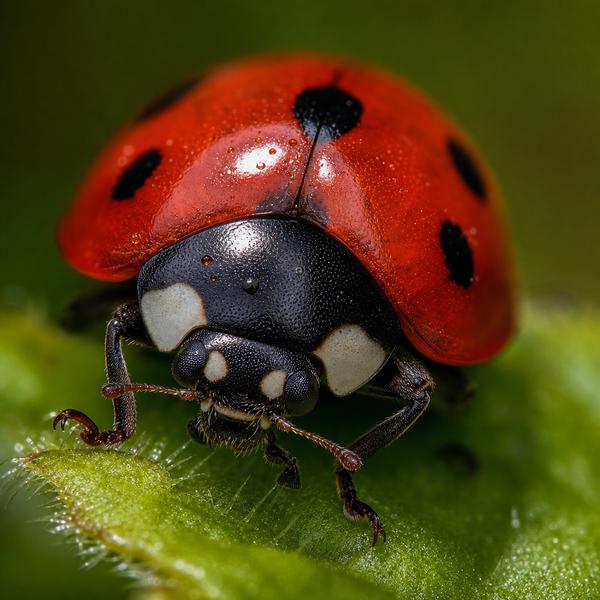
    Despite their minuscule size, insects are formidable pest controllers. Ladybugs, spiders, and praying mantises, to name a few, feed on crop-damaging insects, saving farmers immense amounts of money and preventing the overuse of chemical pesticides that have harmful environmental impacts.

    Unfortunately, due to factors like habitat loss, pesticide use, and climate change, insect populations are declining at an alarming rate worldwide. These losses highlight the urgent need to understand and appreciate the mesmerizing world of insects and the crucial roles they play in our ecosystem.

    As we continue to explore the lives of insects, it becomes apparent that they are pivotal, not just for maintaining the delicate equilibrium of the environment, but also for human survival. Their fascinating existence advocates for urgent measures to conserve their population and help to sustain biodiversity on Earth.

    Permalink Filed under: Bugs and Insects Comments Off on The Hidden World of Bugs and Insects