
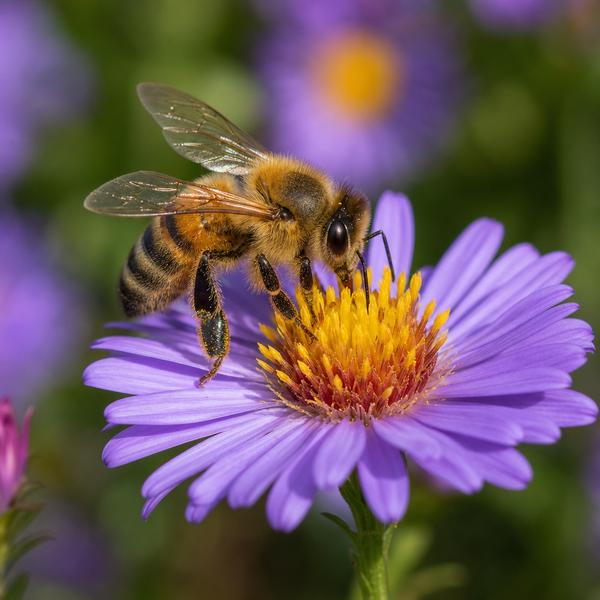
 Insects play an essential role in pollination, which is a fundamental process for the reproduction of most flowering plants and crops. This means that many of the foods we eat – fruits, vegetables, nuts, spices, honey, chocolate, coffee – are available because of pollinating insects.
During the process of foraging for food, insects like bees, butterflies, beetles, and moths transport pollen from the male parts of a flower to the female parts. This effectively fertilizes the plant and enables it to produce seeds and fruits.
The key role of insects in pollination contributes to the richness and diversity of our ecosystems. Many plants rely on these insects for successful reproduction. Thus, insects help to support healthy populations of plants, which in turn provide food, shelter, and other resources for a wide range of other species, ultimately leading to greater biodiversity.
If insect pollinators were to disappear, the ecological balance could be upset, potentially leading to declines in plant populations, extinctions, and a decrease in ecosystem resilience overall. Current threats to pollinators like habitat loss, pesticide use, climate change and disease are posing serious challenges to the sustainability of our ecosystems. Therefore, it’s crucial to maintain healthy insect populations for the robust functioning of both natural ecosystems and agricultural systems.
