• 23Sep

    Harvesting crops effectively requires careful planning and execution. There are several factors that must be taken into consideration such as the type of crop, the state of the crop, weather conditions, and the equipment used.
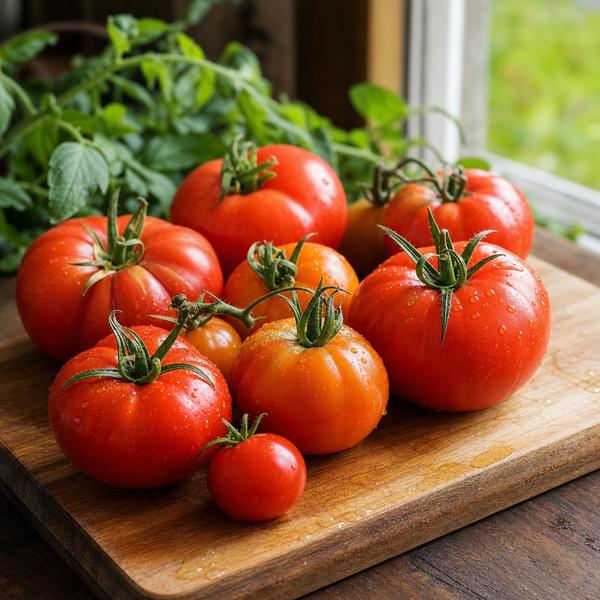
    1. Type of Crop: The type of crop greatly affects the harvesting process. Each type of crop has a specific harvest time and method. For instance, fruits are generally harvested manually once they have reached their appropriate color and size, whereas grain crops such as wheat or rice are harvested with the use of machines when they are dry.

    2. Crop Maturity: Recognizing when crops are mature is crucial. In most cases, mature crops have a different color, shape, or feel than immature crops. An inspection of the crops should be done regularly to determine the right time for harvesting.

    3. Weather: Weather conditions are another important factor when it comes to effective harvesting. Dry weather is usually preferable as wet conditions can affect the quality of the harvest and may make the harvesting process more difficult.

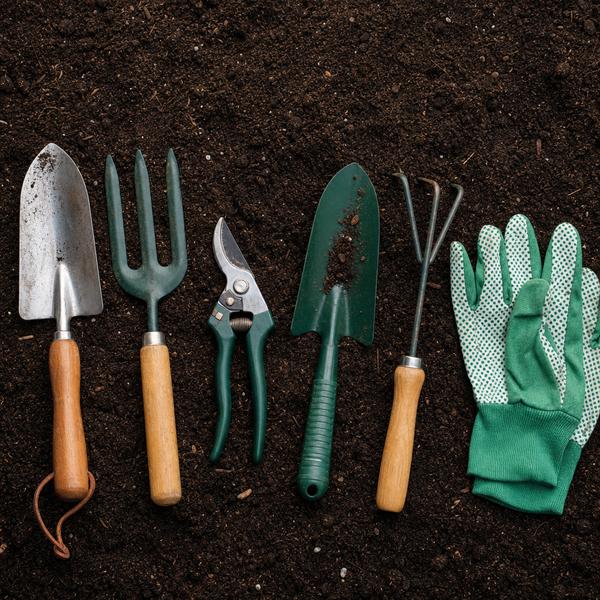
    4. Equipment: The type of equipment used should be selected based on the type of crop being harvested. Manual tools such as harvesting knifes, sickles, and hand-held cutters can be used for smaller scale or specific types of crops. For larger scale or more general crops, machines like harvesters or combines could be more suitable.

    5. Technique: The technique used to harvest crops can greatly affect their quality. For instance, for root crops like carrots or potatoes, it’s important to avoid damage to the crop during harvesting. Using the appropriate tool and method can reduce the risk of damage.

    6. Post-Harvest Handling: After harvesting, crops should be handled with care to maintain their quality. Ideally, harvested crops should be quickly moved to a shaded area before they are cleaned, sorted, and packed.

    7. Storage: After sorting and packing, harvested crops should be stored in appropriate conditions to maintain freshness and prevent spoilage. This includes monitoring temperature, humidity and managing pest control.

    Remember that the proper time and technique of harvest will vary depending on the type of crop. Therefore, it is crucial to gain as much knowledge and understanding about the crop being grown to ensure an efficient and effective harvest.

    Permalink Filed under: Harvesting Comments Off on Unlocking the Secrets of Successful Harvesting
  • 19Sep

    Title: Comprehensive Guide for Gardening Beginners
    1. **Understand Your Space**:
    The first thing to understand is that not all plants need the same amount of sunlight and space. Some plants need a lot of sun, others can survive in shadow. Some plants grow big, others stay small. Assess and understand your available gardening space in terms of sunlight exposure, wind exposure, and size.

    2. **Identify Your Soil**:
    Soil is another significant factor that will determine which plants can thrive in your garden. Different plants need different soil types. Take a soil test to identify its type and nutrient content.

    3. **Choose Your Plants**:
    Choose plants based on your space, soil, and climate. It’s also important to consider your lifestyle. If you can’t dedicate a lot of time, consider low-maintenance plants.

    4. **Tools and Equipment**:
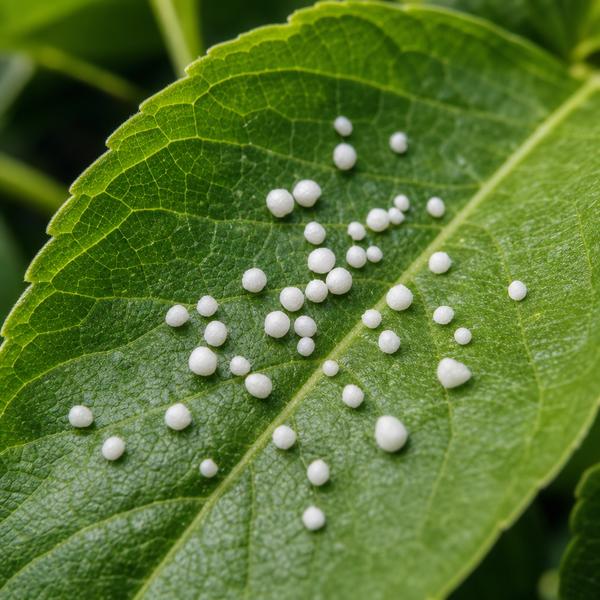
    Invest in quality gardening tools. Essential gardening tools include a trowel, pruners, shears, garden forks, and watering cans.

    5. **Gardening Techniques**:
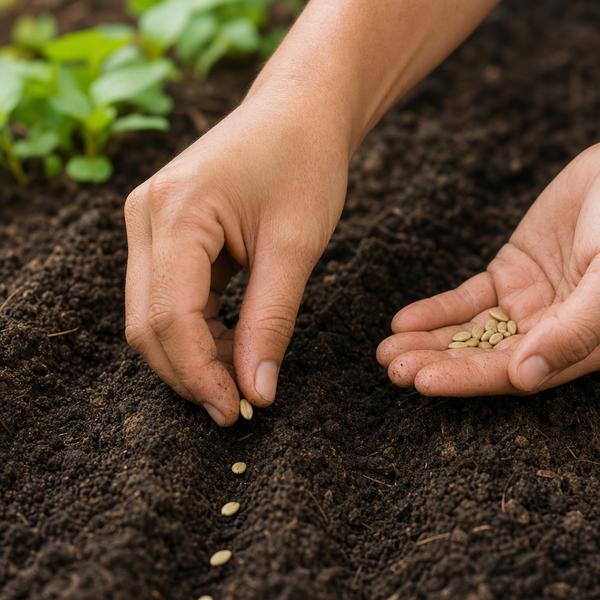
    Understand basic gardening techniques such as planting seeds or seedlings, transplanting plants, and maintaining the garden (watering, weeding, mulching, etc).

    6. **Planting Time**:
    Once you have your plants and tools, it’s time to plant. Spring is generally a good time to plant most vegetables and flowers, but it depends on the plant and the climate where you live (check plant labels for guidance).

    7. **Watering and Feeding**:
    Most plants need regular watering. Some plants need more water, others less. The soil should be kept moist but not waterlogged. Use a water-soluble all-purpose plant food to ensure your plants get necessary nutrients.

    8. **Watching for Pests and Diseases**:
    Check your plants regularly for signs of pests and diseases. The sooner you spot a problem, the sooner you can handle it.

    9. **Pruning**:
    Pruning promotes healthier plants. Cut off dead or overgrown branches and leaves. Make sure to prune at the right time. Most plants are pruned in the spring.

    10. **Patience**:
    Gardening involves a lot of trial and error, and patience. Don’t be discouraged if a plant dies. Learn from your mistakes and adjust your planting strategy accordingly.

    Remember, gardening is a journey, not a destination. Enjoy the process and be rewarded by beautiful blossoms or delicious fruits and vegetables.

    Happy gardening!

    Permalink Filed under: General Comments Off on Gardening 101: Basic Guide for Beginners
  • 15Sep

    Best Practices:

    1. Soil Testing: Before you begin to fertilize your garden, it’s important to test your soil to determine its nutrient levels and pH balance. This information can help you choose the right fertilizer and understand how much to use.

    2. Choosing the Right Fertilizer: Different plants require different nutrients, so make sure to choose a fertilizer that matches your garden’s specific needs. If in doubt, consult with a gardening expert or do some research online.

    3. Correct Timing: The best time to fertilize is at the beginning of the growing season, when plants can make the most of added nutrients.

    4. Careful Application: Apply fertilizer evenly over the soil to avoid nutrient hot spots which can burn your plants.

    5. Follow Directions: Always follow the instructions on the fertilizer package for application rates and methods. More is not always better.

    Common Mistakes:

    1. Over-fertilizing: This is a common mistake most gardeners make. Over-fertilization can lead to excessive growth and decreased fruit or flower production. It can even cause harm to your plants as it results in salt build up in the soil.

    2. Incorrect Fertilizer: Using the wrong type of fertilizer can cause nutrient imbalances and toxicity.

    3. Fertilizing at the Wrong Time: Fertilizing at the end of the growing season can stimulate new growth that will be killed off in winter.

    4. Not Watering After Application: After applying fertilizer, it’s crucial to water your garden so that the nutrients can be properly absorbed into the soil.

    5. Using Fresh Manure: Fresh manure can burn plants and also contain pathogens. Always use well-composted manure.

    Permalink Filed under: Fertilizing Comments Off on The Ultimate Guide to Fertilizing Your Garden
  • 11Sep

    Insects are remarkable creatures that play a vital role in our ecosystem. Contrary to the common perception of them as pests, insects are vital for the balance of Nature. From pollinating our crops to breaking down dead organic matter, insects play roles that largely go unnoticed despite their significant impact.

    The fascinating life of insects begins when they emerge from eggs, many undergoing a remarkable transformation known as Metamorphosis. A butterfly, for instance, evolves from an egg, to a caterpillar, then a pupa, and finally a butterfly. This amazing process is just one of the many wonders of insect life.

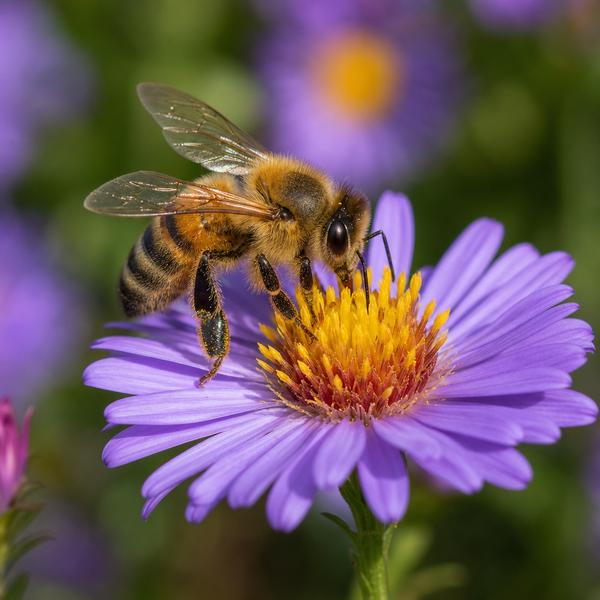
    Arguably, the most significant role insects play in our ecosystem is that of pollination. Bees, butterflies, moths, beetles, and flies are among the insects that contribute to pollination, assisting in the fertilization of plants by transferring pollen from male to female flower parts. Without them, we would face a significant reduction in the amount of fruits, vegetables, and nuts available for human consumption, leading to a serious imbalance in our food chain.

    Many insects also contribute as natural recyclers. Decomposers like beetles, ants, flies and wasps break down organic matter such as dead plants, animals, and animal waste, and convert this matter into essential nutrients that enrich the soil. Without these little creatures, waste would accumulate in the environment, causing significant issues for other species and the ecosystem at large.

    Insects are also a vital part of the food chain, serving as a primary food source for numerous birds, mammals, and other insects. Their relatively rapid reproduction rates ensure that there is always a ready availability of food for these animals. If insect populations declined dramatically, it would have a catastrophic effect on the species that rely on them for food, causing a domino effect through the food chain.

    Despite their minuscule size, insects are formidable pest controllers. Ladybugs, spiders, and praying mantises, to name a few, feed on crop-damaging insects, saving farmers immense amounts of money and preventing the overuse of chemical pesticides that have harmful environmental impacts.

    Unfortunately, due to factors like habitat loss, pesticide use, and climate change, insect populations are declining at an alarming rate worldwide. These losses highlight the urgent need to understand and appreciate the mesmerizing world of insects and the crucial roles they play in our ecosystem.

    As we continue to explore the lives of insects, it becomes apparent that they are pivotal, not just for maintaining the delicate equilibrium of the environment, but also for human survival. Their fascinating existence advocates for urgent measures to conserve their population and help to sustain biodiversity on Earth.

    Permalink Filed under: Bugs and Insects Comments Off on The Hidden World of Bugs and Insects
  • 09Jun

    Permalink Filed under: General Comments Off on Container Gardening Vegetables for Beginners
  • 07Jun

    Organic gardening requires a lot of patience and talent. It is a good way to grow healthy fresh foods in an environmentally friendly, chemical-free way. It might sound easy, but is it? If you want to have the most professional gardening skills you can, read the tips in this article.

    Include your kids in growing an organic garden. Gardens are a wonderful place for kids to learn, and working side by side with them can strengthen the bond that you have.

    If you have plants inside, make sure the thermostat stays between 65 and 75 degrees. In order to encourage proper growth, they will need that warmth. If you don’t want you house to be really warm during the cold season, you could use a heat lamp on organic plants instead.

    Have some plastic bags on hand that you can put over your gardening shoes if they are muddy. This helps you stay in the zone so that you can continue gardening when you have completed your tasks in the house.

    The space you leave in between your plants is an important measurement when it comes to gardening. It’s common to not think about how much space a plant will need once it’s full grown, and you don’t want to crowd your garden. The plants need space due to sheer size and also for air circulation. Plot out all of these considerations before putting that first seed in the ground.

    Use equal parts of green and dried plant material in your compost pile. When you pull weeds from your garden, throw them in the compost. The same goes for vegetable trimmings and grass clippings. These are considered green materials. Dried plant matter, on the other hand, includes shredded paper, used wood chips and straw. Never use ashes, meat, charcoal, diseased plants or carnivorous animal manure in your compost pile.

    If you are starting your seedlings out in small containers, you should use a layer of potting soil that is three times as deep as the size of a single seed. But, is important to realize the some seeds ought not be covered, as they need complete exposure to sun. Example of these kinds of seeds include the petunia and the ageratum. If you are unsure if your seeds should be covered, refer to the seed packet, or if that is not available, look for information online.

    An organic gardener enjoys the benefits of working with nature, producing wonderful food through hard work and patience. This wonderful past time uses land to produce delicious foods for your table. By using these tips and giving some effort, you can be a skilled organic gardener.

    Permalink Filed under: Organic Comments Off on Excellent Advice For The Beginning Organic Gardener
  • 07Jun

    There are numerous resources you can use to find information and advice on how to properly grow a garden. You could spend days on the Internet alone researching information that is pertinent to your particular garden. Find practical solutions by applying the innovative tips from the following article. You can read them right here!

    Plant annuals and biennials to make your flower beds brighter. Fast growing biennials and annuals will brighten a garden and permit you to change looks from one season to another. They are useful for filling gaps in between shrubs and perennials in sunny areas. Some examples include sunflowers, marigolds, petunias, hollyhocks, cosmos, and rudbeckia.

    Use the correct type of soil for best results. Fertilizer can enrich the soil to make it more viable. It is also possible to set aside a portion of your garden to include just one type of soil.

    Before actually putting plants into your garden, check the type and compostion of your soil. Pay a small fee to have your soil analyzed, and you’ll be glad that you did when you understand what nutrients your soil is lacking. Many Cooperative Extension offices will provide this service, and it is well worth knowing exactly what the soil needs to avoid ruining a crop or two.

    While working in your garden during the fall season, watch out for those stink bugs! Fruits, peppers and tomatoes are among the foods they love to eat. If not taken care of, these pests can damage the garden, so take steps to cut down their population.

    Gardening is a gratifying activity. As you develop your passion for your garden, you will find yourself seeking out articles and tips about improving your results. Always remember to listen to great advice. Start by applying the tips laid out here, and you will have the most beautiful garden you’ve ever seen.

    Permalink Filed under: General Comments Off on Grow Organic Produce For Your Family With These Tips
  • 07Jun

    Unhealthy plants can be the result of an untreated pest problem. Although ridding your garden of pests is not easy, it is something that you must do. Use the pest control ideas that follow, and you will win the war.

    Steel wool can be used to blockage hole that mice can crawl through to enter your house. The steel wool makes it nearly impossible for rodents to chew through. You need to stuff all openings that are bigger than one half of an inch. Rodents can slip through very small openings.

    If you have a brown recluse spider issue, try catching them using sticky traps. These poisonous spiders hide in deep recesses that are difficult to reach with chemicals. They look for food at night. You will be more likely to get them if you put traps behind your furniture and along walls.

    If you need to make doubly sure that no termites remain in your home, use a termite-sniffing dog to check for the presence of termites. If an inspector checks your house on his own, he is only able to confirm that you are about one-third free of termites. A well-trained dog will ascertain the safety of your entire home. The reason that dogs can do this is because they can smell methane gas which occurs when termites destroy wood.

    If you have a water leak, fix it. Pests love to find those water sources. You would be surprised how far away they can be yet they know of your water drip. Don’t cause your own pest invasion. Some simple work on your part can prevent pests in your home.

    Although having your garden overrun by pests is very annoying, it can interfere with you and your family’s health if the problem gets too out of hand. Since this is the case, this problem is something that you must take on as soon as possible. The information you just read is what you need to get started on your search and destroy mission to eliminate the pests in your yard and garden.

    Permalink Filed under: Bugs and Insects Comments Off on Pest Control Tips That Work For you Garden Every Time
  • 07Jun

    More and more people are realizing the wonders of organic gardening. Just using the tips here will show you how you can get started now with an organic garden. Keep reading to learn some tricks of the trade that will help you get a great garden.

    Using aspirin water will help your plants fight diseases. Dissolve one and one-half aspirins into two gallons of cold water, and use it to fortify your plants. Spray your plants with the water if they have a disease. The spray ought to be applied approximately every three weeks.

    To keep your houseplants happy during the day, your thermostat should be set anywhere between 65 and 75 degrees. Plants need to be in an environment that is neither too warm nor too cool for them to grow. If you do not want to keep your home that warm during the winter months, you can get a heat lamp for the organic plants instead.

    Keep your gardening tools close by to maximize gardening efficiency. Carry a large bucket with you or wear pants with a lot of pockets. A gardener’s tool belt will allow you to keep your gardening gloves and other tools close by while you are working in your garden.

    Once your seeds have germinated they will not need to be kept as warm as before. Move your plants further away from your heat source as they grow. You can now take off any protective coverings on your plants that were there to shield them from the elements. Keep an eye on your seeds so you will know when this should be done.

    Make the most of the time spent in your garden. You do not have the time to spend an hour looking for each tool you need. Prepare your equipment before you go into the garden and put everything away afterwards. Get a tool belt if you need to, or a pair of pants with a lot of pockets.

    Have plastic bags on hand to put over dirty gardening shoes. This way, you won’t break momentum by fussing with your shoes, and you’ll be quickly back in the garden to finish your work.

    You just have to be patient if you want to get your organic garden into tip top shape. Following the suggestions outlined above should help you get your organic garden off the ground more effectively. Just remember to apply these tips as you have read them and your garden should do just fine.

    Permalink Filed under: Organic Comments Off on Handy Advice For Gardening The Organic Way
  • 07Jun

    Gardening can be a challenging idea to grasp. Some people may not believe it’s possible to convert a concrete or gravel patch into a green, manicured lawn or a floral collection of roses and snapdragons, but it is possible. Hard work, a shovel, and the right knowledge, are all the necessary tools to fine gardening. Truly successful gardens are the ones that are best thought out by thoughtful landscapers.

    A good idea when gardening is to keep a record of progress. If it is a journal form or photographic form of recording the progress of the garden is helpful for the years to come. Recording which types of plants work well, which did not work or what types of soil can help future gardens start without any trial and error of previous years.

    Weed the garden often and early. Plan on a weeding schedule for the garden at least three times. The first should be five to seven days after sowing, and again seven to ten days after that. The third time should be three to four weeks after planting, by this time the plants should be rooted well enough to add mulching and sufficient leaves to shade the surface.

    When gardening, be sure to use proper posture. Don’t lift with your back, and try to bend at the knees instead of at the waist. Keep your back straight when bending over. This allows you to use stronger and more flexible muscle groups to lift, and also protects your spine.

    Gardening is more about effort than anything else. Dedication to a garden, from its caretaker, will help it bloom to its fullest potential. The right way to grow a garden is by learning the correct way to go about caretaking for one. It is easier to maintain a garden than you think.

    Permalink Filed under: General Comments Off on Want Some Great Gardening Advice? Read On